The Jardins de Sardy (24230 Velines) will open their 2025 season with a musical promenade accompanied by five musicians on the 8th June at 17:00. For more information: https://jardinsdesardy.com/promenade-musicale/
Category: Events
Milandes, 11 June, visit 3
Nigel writes:
Our next 2025 event will be on Wednesday 11 June 2025 when we will visit the fabulous Château des Milandes at 24260 Castelnaud-la-Chapelle, 16 km south of Sarlat. Members should book via Nigel.
Greg Hawes (our Chairman) writes:
“Besides being a beautiful château from the fifteenth century set in lovely grounds in the heart of the Dordogne valley, Milandes is renowned as the former home of one of the most famous French women of the twentieth: the American-born cabaret artiste and Resistance heroine Josephine Baker. She is the most recent of only five French women to be honoured at the Panthéon in Paris (Marie Curie was the first—bonus points if you can name the other three !). The château now houses a fascinating exhibition celebrating her life. The visit includes the recently renovated chapel. You can download a leaflet and plan of the grounds at <https://www.milandes.com/en/>”
The schedule for the day includes lunch followed by the tour and the display of birds of prey.
After that we are free to visit the Chapel and explore the grounds.
Our 4th visit is likely to be the Millau Viaduct and Roquefort in early July. Details to follow.
Visit 3, Chateau des Milandes, Wednesday 11 June
Nigel writes:
Our next 2025 event will be on Wednesday 11 June 2025 when we will visit the fabulous Château des Milandes at 24260 Castelnaud-la-Chapelle, 16 km south of Sarlat. Members should book via Nigel.
Greg Hawes (our Chairman) writes:
“Besides being a beautiful château from the fifteenth century set in lovely grounds in the heart of the Dordogne valley, Milandes is renowned as the former home of one of the most famous French women of the twentieth: the American-born cabaret artiste and Resistance heroine Josephine Baker. She is the most recent of only five French women to be honoured at the Panthéon in Paris (Marie Curie was the first—bonus points if you can name the other three !). The château now houses a fascinating exhibition celebrating her life. The visit includes the recently renovated chapel. You can download a leaflet and plan of the grounds at <https://www.milandes.com/en/>”
The schedule for the day includes lunch followed by the tour and the display of birds of prey.
After that we are free to visit the Chapel and explore the grounds.
Our 4th visit is likely to be the Millau Viaduct and Roquefort in early July. Details to follow.
Reminder: Chateau Fayolle – unique wine, a notable visit!
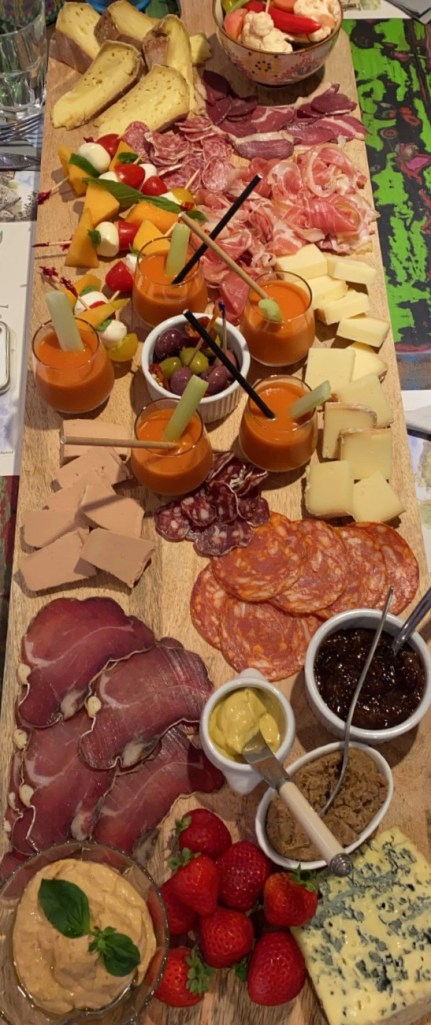
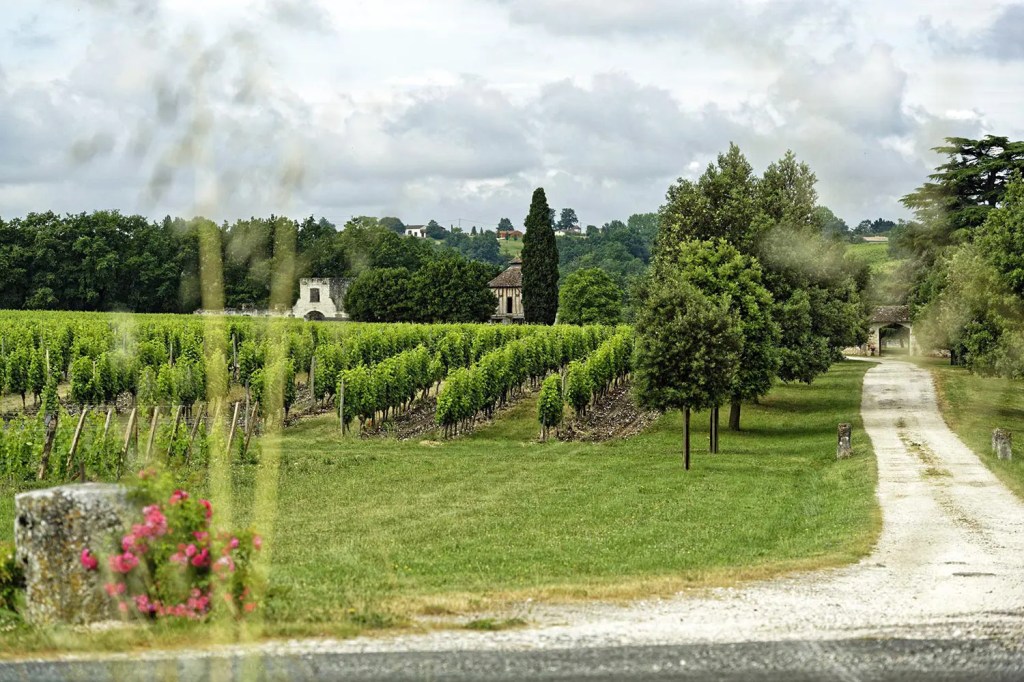
The tour of the vineyard (appellation Saussignac) begins at 10:30 and will be followed by a tour of the chai, a tasting, and a substantial shared lunch platter.
Reservations close on 25th April for this 7th May visit, notable for this much appreciated tour and for the tasting and lunch platter that follows. Members should contact Nigel: family and friends are, as always welcome.
To note: Queen’s Madrigals, Toulouse
The Queen’s College choir will be performing in Saint Sernin in Toulouse on Monday 28th July. More details to follow.
Visit 2, 2025: Chateau Fayolle
After our successful visit to Figeac, the second OUS SW France visit of 2025 will be to Chateau de Fayolle at Saussignac (24): https://www.chateaufayolle.com/en/home/on May 7th. The vineyard tour begins at 10:30, and will be followed by a chai tour, the appellation Saussignac tasting and a substantial shared lunch platter. The vineyard visit with owner Frank has been particularly well-liked. Numbers are limited so members should contact Nigel to book early and no later than 25th April.
Note also that there is another Chateau de Fayolle, also in the Dordogne, which has just opened its doors this year!
First 2025 visit: Figeac, April 5th.
Nigel has send full details to members. This is a summary:
Our first event of 2025 will be a visit next month to the well-preserved mediaeval town of Figeac, one of the traditional stopovers on the Via Podiensis, the Le Puy strand of the Chemin Saint-Jacques, or pilgrim road to Santiago de Compostela. It is now designated a UNESCO World Heritage Site.
Its charm apart, Figeac’s main attraction is the Musée des écritures du monde, housed in the building which saw the birth of Jean-François Champollion (1790–1832), the man who deciphered the Rosetta Stone (see below).
The visit will also include lunch and a guided tour of Figeac.
It may also be possible to book a classical concert in the evening.
Historical Note
Jean-François Champollion (1790 Figeac–Paris 1832) was a French historian and linguist who founded scientific Egyptology and played a major role in the decipherment of Egyptian hieroglyphs.
By the age of sixteen, he had already mastered six ancient Oriental languages, in addition to Latin and Greek, and delivered a paper to the Academy of Grenoble. Three years later, having studied in Paris, he became professor of history at the Grenoble lycée (1809–16).
The Rosetta Stone, a stele originally displayed in an Egyptian temple of the Hellenistic period, possibly at the ancient Egyptian city of Sais in the Western Nile Delta, was later removed and used as building material in the reconstruction of the 1470 Mamluk Fort Jullien near Rashid (Rosetta) during Napoleon’s campaign in Egypt and Syria (1798–1801). It is inscribed with three versions (a Greek text along with hieroglyphic and demotic versions) of a decree issued in 196 bc in the name of King Ptolemy v Epiphanes. Removed by a French officer serving in Egypt, it was then taken to London under the terms of the surrender of Alexandria in 1801.
English physicist Thomas Young (1773–1829) made some headway in deciphering it, but it was Champollion who finally began to piece together the puzzle of the hieroglyphs. From 1821, he began publishing papers on the hieroglyphic and hieratic elements of the Rosetta Stone and went on to establish an entire list of the hieroglyphic signs and their Greek equivalents. He was the first to recognize that some of the signs were alphabetic, some syllabic, and some determinative (standing for a whole idea or object previously expressed). Though much remained to be done, the key to understanding ancient Egypt had at last been found.
Champollion became curator of the Egyptian collection at the Louvre (1826), conducted an archaeological expedition to Egypt (1828), and was appointed to the chair of Egyptian antiquities, created especially for him, at the Collège de France(1831).
The Musée Champollion was established in 1986 in the house where the philologist was born. It has since been refurbished and expanded. The documents on display chart the tortuous route by which fragments of ancient hieroglyphs scattered across the globe were collated and eventually deciphered.
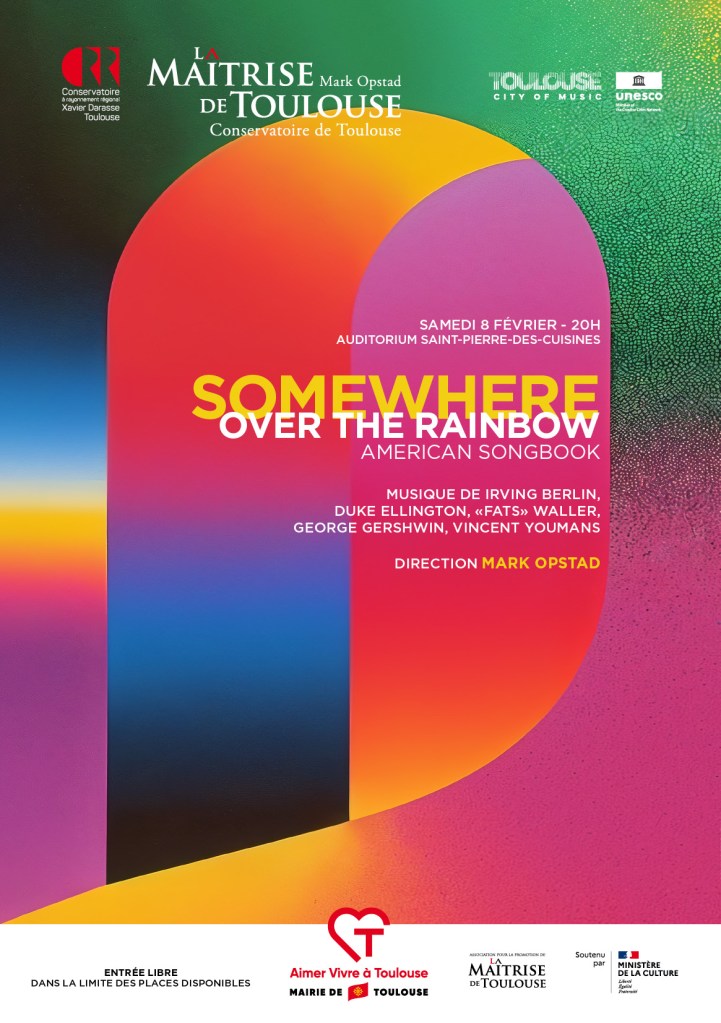
Jazz with the Maîtrise de Toulouse
Paris Christmas Party
Members who are in Paris on 16th December might like to go the British in France Christmas Party and Concert. Contact us for further information at info@ousswfrance.com.
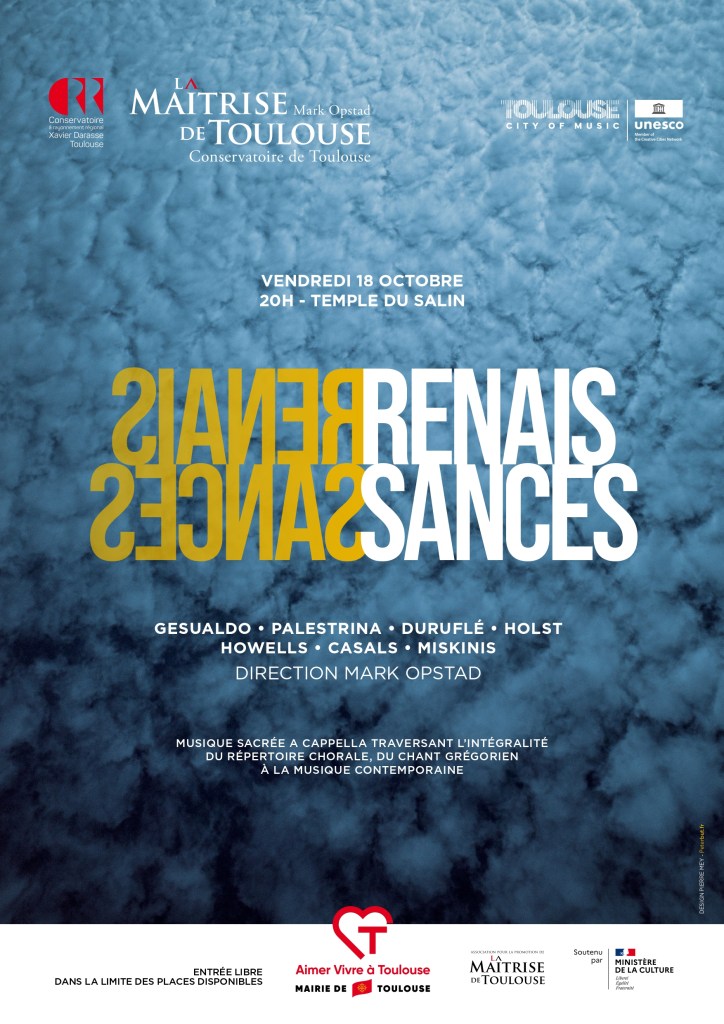
Toulouse: Renaissances 18th October
 OUS South West France
You must be logged in to post a comment.